Linear Waves Equalizer: Striking Design Elements for Every Creative Project
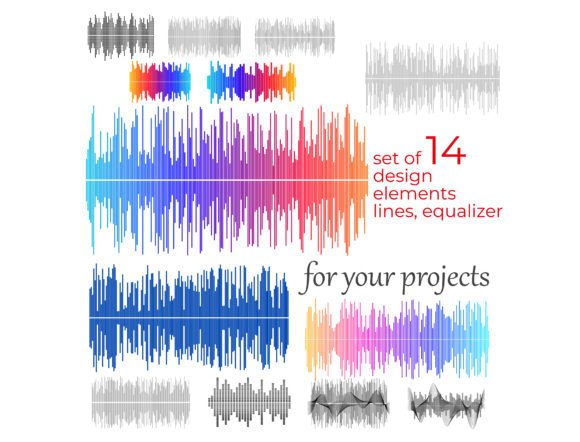
Few visual motifs capture motion and modern energy as cleanly as a linear equalizer. That rhythmic rise and fall of bars, or undulating wave lines, speaks to sound, data, and digital flow—even when the final product has nothing to do with audio. The Linear, Waves Equalizer design collection takes that timeless audio-visual concept and turns it into a flexible, ready-to-use toolkit for graphic design, branding, home décor, and digital storytelling. You receive a zip folder packed with EPS files that scale without losing crisp edges, making them suitable for everything from a tiny app icon to a full-size wall mural.
What Are Linear Waves Equalizer Elements?
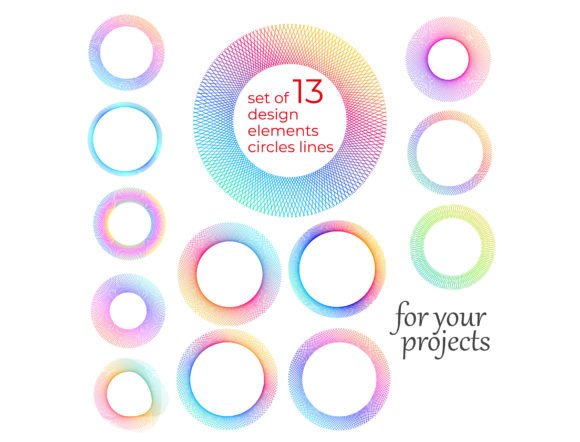
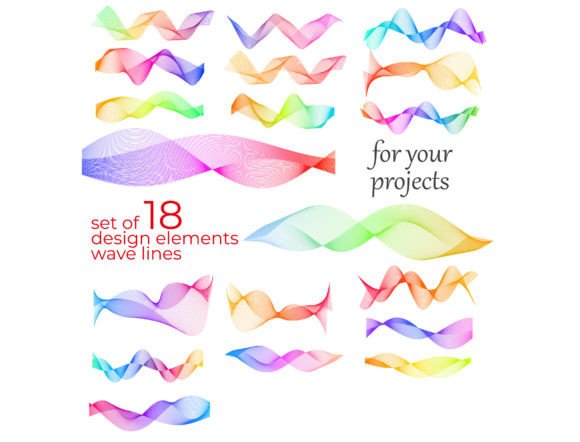
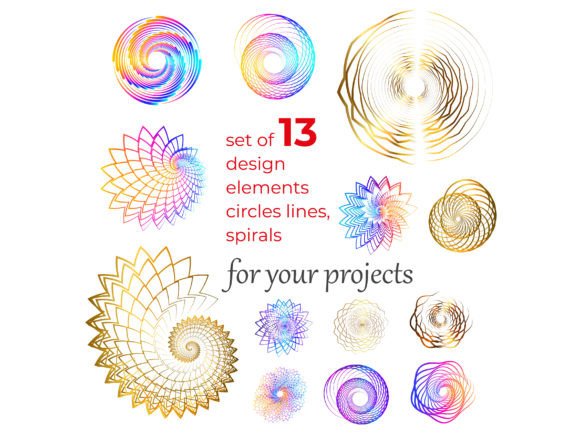
At their core, these elements are vector-based graphics that depict linear audio spectrums, wave frequencies, and rhythmic bar patterns. Some look exactly like the classic equalizer displays you’d see on a music player; others are more artistic interpretations—smooth sine curves, layered wave lines, geometric sound waves, or intertwined audio strands. Because they arrive in EPS format, you can tweak colors, stroke weights, and compositions inside Adobe Illustrator, CorelDRAW, Affinity Designer, or even free tools like Inkscape. No pixelation worries: scale a single design element to billboard size or down to an embroidered patch and the clarity stays intact.
The palette is usually intentionally minimal—monochrome, duotone, or easily recolorable—but the real strength lies in rhythm. A well-placed equalizer motif can guide a viewer’s eye across a page, create a sense of progression, or simply inject a bit of tech-forward cool into an otherwise ordinary layout. It’s not just a picture of sound; it’s a structural design tool.
Everyday Uses for Designers and Creators
You don’t need to be a full-time audio engineer or a nightclub owner to benefit from these visuals. In fact, the versatility of linear wave elements is why they pop up in so many surprising places. Here are just a few scenarios where people reach for them:
- Logo creation and brand identity: A podcast producer, a DJ, a meditation app, a voice coach—anyone whose work revolves around voice, music, or frequency can use an equalizer-inspired icon as the core of their brand mark. Even a tech startup might adopt a wave to symbolize data streaming, connectivity, or waveform analysis.
- Card making and scrapbooking: Hobbyists who build personalized birthday cards, concert memory albums, or music-themed greeting cards find that a delicate wave overlay adds movement without overpowering photos. Cut a wave pattern from foil cardstock or use a printed equalizer gradient as a background layer.
- Website and mobile app embellishments: A hero section background with faint, animated-looking linear waves can make a SaaS landing page feel alive. Mobile app designers use subtle equalizer bars as progress indicators or reactive visual effects in music players, meditation timers, and podcast apps.
- Interior design and trendy prints: Printable art from EPS files is huge right now. Frame a minimalist waveform graphic for a home studio, a teenager’s bedroom, or a modern office. Because vectors remain flawless at large dimensions, a single download can become a 24×36 statement print.
Where These Designs Make a Real Impact
The emotional pull of a sound wave graphic is often underestimated. When someone walks into a coffee shop and sees a menu with a soft equalizer pattern behind the latte art photos, they might not consciously register it—but they feel the contemporary, curated vibe. Packaging designers put subtle wave motifs on skincare boxes to suggest clean, scientifically-formulated products. Infographic creators use bar patterns to replace boring bar charts with something that feels alive. An educational slide deck on sound physics becomes more tangible when the presentation includes actual waveform illustrations that students intuitively recognize.
Animators, too, turn static EPS files into motion magic. An equalizer design element can be imported into After Effects, separated into layers, and animated to pulse in sync with a voiceover or music track. Suddenly, a simple explainer video gains a polished, broadcast-quality aesthetic without the animator having to draw every frame from scratch.
Freelancers Building a Personal Brand
Imagine a freelance social media manager who handles accounts for musicians, event venues, and wellness influencers. Every client expects fresh story templates, post backgrounds, and highlight covers. Instead of buying one-off stock graphics for each campaign, she uses the same linear waves equalizer pack—color-shifting the EPS wave to match each client’s palette. For a yoga instructor, the wave becomes a soft lavender breathing guide. For a live music bar, it’s an electric neon pulse on a black background. One purchase, endless smart reuse.
Small Business Owners and Local Shops
A boutique record store needs window decals, loyalty cards, and occasional flyers for in-store gigs. The owner isn’t a designer but can open a Canva template, drop in an EPS wave element (exported as PNG or SVG), and instantly tie every piece of collateral to the shop’s music-focused identity. A coffee roaster that names blends after song titles uses a tiny equalizer silhouette on the sticker that seals each bag—instantly conveying the theme without any words.
Educators and Content Creators
A science teacher creates an interactive digital notebook. On the chapter covering frequencies and sound, she embeds a clean wave illustration next to definitions. The visual isn’t just decorative; it acts as a signpost every time the student scrolls back, reinforcing what the lesson was about. Meanwhile, a YouTuber making tech reviews uses a simple, pulsing equalizer as a lower-third graphic—easy to edit because the original EPS is layered.
How Different Users Benefit from Linear Wave Graphics
The flexibility of these elements means they serve entirely different needs. For a professional graphic designer, it’s about speed. Having a library of tightly constructed, scalable vector shapes reduces hours of pen-tool work. The wave patterns arrive clean and mathematically balanced, so the designer can drag, drop, recolor, and move on to more complex parts of the composition.
For a hobbyist scrapbooker or a mom making DIY party decorations, it’s about access to a polished look without needing advanced software skills. Even a basic EPS viewer or converter lets someone pull a gorgeous equalizer silhouette into a Cricut machine and cut it from adhesive vinyl. Suddenly, a plain water bottle or laptop lid gets a custom decal that looks like it came from a design studio.
Marketers and small business owners benefit from cohesion. When every Instagram story, flyer, and business card features a subtle wave element repeated in brand colors, the business starts to look more professional and memorable. Customers subconsciously associate the rhythmic pattern with the brand, much like a sonic logo works for audio.
Getting the Most Out of Your Vector Downloads
The files come as a zip containing EPS formats, so your first step is unzipping and opening them in a vector editing program. That’s where the real fun starts. Here are a few practical tips to stretch a single download across months of projects:
- Recolor purposefully: That black waveform can become a gold foil effect for a wedding invitation, a soft pastel gradient for a baby announcement, or a neon cyan for a gaming channel overlay. Since it’s vector, you can apply gradient meshes and transparency without loss.
- Isolate and compose: Many designs include grouped bars or layered lines. Ungroup them and use only a section of the equalizer as a repeating border, or select a single peak to become a small icon beside a name on a business card.
- Combine with typography: A bold sans-serif headline with a wave motif cutting through or sitting beneath the text creates a poster-like impact. Adjust the letter spacing so the rhythm of the type matches the wave frequency.
- Animate subtly: Import into any motion tool, attach a few keyframes to the vertical scale of the bars, and loop. Even a gentle breathing motion on a website’s “currently playing” section elevates the user experience.
- Print with confidence: EPS files render sharply at any size, so you can take the same wave to a screen printer for t-shirts, to a large-format printer for a backdrop, or to an engraving service for wooden signage—without ever worrying about blurry edges.
Before You Download: Key Considerations
While these design elements are incredibly adaptable, a little forethought prevents frustration later. Check your design software’s compatibility first. Most modern tools open EPS without issue, but if you only use web-based editors, you may need to convert the file to SVG or high-resolution PNG using a quick offline converter. Also confirm the licensing terms—most creator packs allow personal and commercial use, but if you plan to resell the elements as-is or incorporate them into a product sold on print-on-demand platforms, read the included license document carefully.
Think about the visual language of your project. An aggressive, high-energy equalizer with sharp peaks might fit a gaming advertisement perfectly but feel out of place on a meditation app’s landing page. Fortunately, most collections include variations: smooth sine waves, gentle undulating lines, structured geometric bars, and abstract frequency rings. Browse the whole set before committing to one style. You might discover that the softer wave pattern works better for a wellness brand, while the rigid bar version suits a B2B data analytics dashboard.
Consider color and contrast. A white or light grey wave on a dark background creates a sleek, modern mood. Invert that—a dark navy pattern on warm cream paper—and you get something that feels more organic and craft-market ready. Because the EPS format preserves every anchor point, you can test dozens of color combinations in seconds without degrading quality.
Finally, don’t overlook the power of white space. A linear wave element, especially one that’s minimal, can be even more striking when it’s the only visual on a page, surrounded by generous breathing room. This approach works beautifully for single-page flyers, event headers, or minimalist brand marks. The design doesn’t need to shout; the structured rhythm of the wave does the communication.
Whether you’re building a podcast cover art tonight, sketching a new packaging concept for a client, or simply brightening up a friend’s birthday scrapbook page, having a reliable set of beautiful linear waves equalizer elements in your digital toolbox saves time and sparks ideas. The beauty of a well-crafted vector asset is that it adapts to the story you’re telling, carrying that sense of motion, frequency, and polished style into whatever you create next.