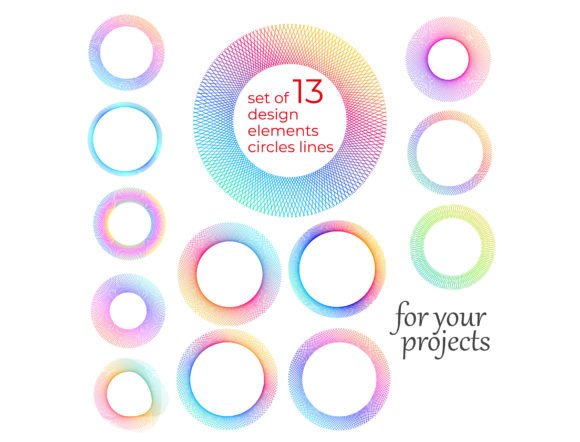
Circle Wave Lines Design: Frames, Borders, and Beautiful Elements That Bring Projects Together
You know that moment when a design feels almost finished but still lacks something cohesive? That missing piece often comes down to a well-placed frame, a thoughtful border, or a decorative element that ties everything together without overwhelming the composition. Circle wave lines designs fill exactly that role. They offer smooth, flowing curves and circular motion that can frame a message, highlight a focal point, or simply add visual rhythm to an otherwise static layout. Whether you're assembling a brand identity, putting together a holiday card, or building out a presentation deck for a client, these elements solve a real problem: how to make something look polished without starting from scratch.
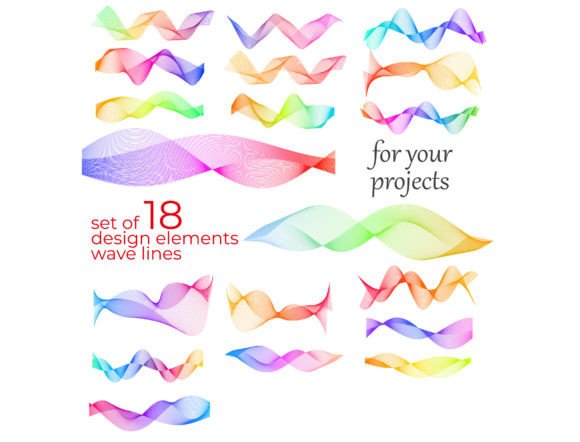
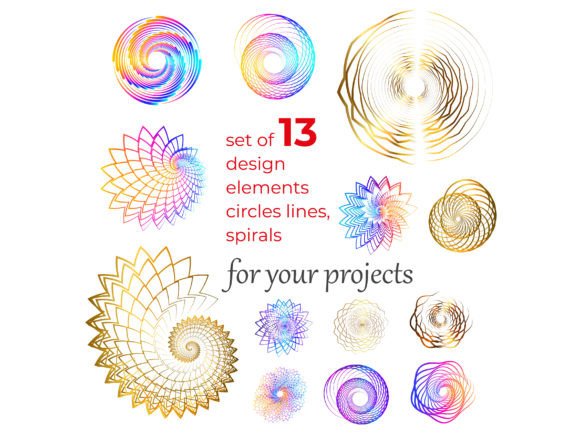
The core concept is straightforward. Circle wave lines combine circular geometry with undulating, wave-like patterns. Some versions lean minimalist, with thin, elegant strokes that suggest motion. Others go bold, layering multiple rings and flowing lines into intricate mandala-like structures. The result is a versatile graphic asset that works as a frame around text, a border along an edge, or a standalone design feature. You typically receive these as vector files, often zipped together in formats like EPS, which means you can scale them up or down without losing quality—useful when you're moving between a tiny mobile icon and a large-format print.
Where Circle Wave Frames and Borders Actually Get Used
People reach for these designs in more situations than you might expect. The obvious use cases—logos, website headers, social media graphics—are just the starting point. What makes circle wave lines particularly handy is their ability to shift between contexts without looking out of place. A border that frames a wedding invitation on Saturday can become part of a product label on Monday, simply by adjusting color, stroke weight, and placement.
Branding and Identity Projects
Small business owners and freelancers building their own visual identities often struggle to create logos that feel complete. A circular wave design can wrap around a business name, creating an emblem-like lockup that looks intentional and professional. You see this approach in coffee shop branding, wellness studios, and boutique retail—places where a handcrafted, organic feel matters. The wave lines suggest movement and flow, which aligns well with brands that emphasize creativity, health, or personal connection.
What's nice about starting with a pre-made circle wave element is that you can focus your energy on color choices and typography rather than drawing complex geometry from nothing. You download the EPS, open it in your vector software, and start adapting it to your brand palette. The time savings alone can matter when you're juggling client work or launching a side project on a tight timeline.
Stationery, Cards, and Scrapbooking
If you've ever tried making your own greeting cards or party invitations, you know how tricky it is to achieve that clean, finished look without access to professional printing techniques. Circle wave borders give handmade projects an instant lift. Picture a holiday card with a delicate circular frame surrounding your family photo, the wavy lines echoing the festive mood without competing for attention. Or think about scrapbook layouts where these elements serve as photo corners, journaling spots, or decorative separators between memories.
Card makers also appreciate how these designs work across occasions. The same wave circle that feels elegant in gold for a wedding invitation can turn playful in bright colors for a birthday card. Since vector files don't degrade, you can print them at any size—from tiny gift tags to full-page backgrounds—without worrying about pixelation.
Digital Content and Social Media
Content creators and marketers live in a world where visual consistency across posts, stories, and ads can make or break brand recognition. Circle wave line frames serve as reusable templates that tie different pieces of content together. You might use a circular wave border to frame quotes on Instagram, highlight promotional offers, or create a consistent thumbnail style for YouTube videos. When someone scrolls through their feed and spots that familiar circular motif, they start associating it with your content before they even read the caption.
Bloggers and publishers also put these elements to work inside feature images and in-article graphics. A subtle wave circle around a statistic or a key takeaway draws the eye naturally. It's a gentle way of saying "this part matters" without slapping a highlighter-yellow arrow on the page.
Interior Design and Printable Wall Art
Here's a use case that doesn't get enough attention. People download circle wave line designs, print them at scale, and frame them as affordable wall art. The geometric yet organic nature of these patterns suits a wide range of interior styles—mid-century modern, bohemian, minimalist Scandinavian. You can print a single large circle wave composition as a statement piece, or arrange a gallery wall of smaller prints with coordinated color schemes.
Beyond framed art, these designs find their way onto throw pillow patterns, stencils for furniture painting, and even vinyl decals for walls. The EPS format makes it possible to send files directly to print-on-demand services or cutting machines without format headaches. One design purchase can turn into multiple home decor projects over time.
Packaging and Product Design
Small-batch product makers—think candle artisans, soap crafters, specialty food producers—need packaging that looks boutique without the boutique design budget. A circle wave border wrapped around a product label conveys care and attention to detail. When customers pick up a jar or box and see that thoughtful framing element, it subtly signals quality. The curves soften rigid rectangular labels, creating contrast that feels intentional rather than busy.
These designs also appear on hang tags, tissue paper stamps, and belly bands for gift sets. Because you can recolor vectors endlessly, the same circle wave motif can span an entire product line, with each scent or flavor getting its own color treatment while maintaining visual unity.
Educational Materials and Presentations
Teachers, trainers, and corporate educators often build slide decks and handouts that need to engage without distracting. Circle wave frames can house learning objectives, pull quotes, or section headers in a way that feels friendlier than standard rectangular boxes. Students and workshop participants respond to visual cues—a recurring circular frame throughout a workbook helps them recognize key information quickly.
Infographics benefit too. Flow charts and process diagrams can feel rigid when everything sits in squares and straight lines. Introducing circular wave elements around key milestones or data points adds variety and keeps the viewer's eye moving through the information. It's a small design choice that makes dense content feel more approachable.
Animations and Motion Graphics
For those working with video or motion design, circle wave lines become dynamic assets. A rotating wave circle can serve as a loading animation, a logo reveal device, or a subtle background element in an explainer video. The rotating, flowing nature of the design naturally suggests motion, so animators don't need to force a connection between the static shape and the intended movement. Import the EPS into After Effects or similar software, and the paths are ready to animate.
Who Benefits Most from These Design Elements
The obvious answer includes graphic designers and professional creatives, but the real audience stretches further. A small business owner who manages their own marketing benefits from having ready-to-customize assets that improve the look of flyers, menus, and social posts. A hobbyist scrapbooker finds the borders and frames useful across countless projects without needing to learn complex design software—just place and print. A teacher preparing classroom materials saves hours they would have spent hunting for clip art that doesn't quite match.
Freelancers who juggle multiple clients can build a library of versatile elements that adapt across industries. The same circle wave design might frame a yoga studio's class schedule one week and a tech startup's event poster the next. The key is that the element itself doesn't carry strong thematic baggage. It's abstract enough to flex into different contexts while still adding structure and polish.
Practical Considerations Before Downloading and Using Circle Wave Designs
Before you click download on that zip file full of EPS assets, a few practical checks can save frustration later. First, confirm the file formats included. EPS files work beautifully in Adobe Illustrator and CorelDRAW, but if you primarily use Canva or similar browser-based tools, check whether those platforms accept vector uploads in the format provided. Some bundles also include SVG or PNG versions, which broadens compatibility significantly.
Licensing matters too. Most design bundles come with clear usage terms, but not all allow commercial applications. If you plan to use the circle wave lines on products you sell, in client work, or within a brand identity that will appear on merchandise, verify that the license covers those scenarios. Personal-use-only licenses can become a headache if your project later turns commercial.
Color customization is another factor. Vector files let you recolor every stroke, but complex designs with multiple overlapping elements can get tricky to recolor cleanly if layers weren't organized well by the original creator. Test one or two designs from the pack before committing the full set to a deadline-driven project. Most quality bundles organize layers and groups logically, but it's worth confirming.
Resolution independence is the big advantage of vectors, but your final output method still matters. If you're printing at large scale, work in CMYK color mode from the start and proof a small section before printing the full piece. Screen colors and print colors diverge in ways that can surprise you if you've only ever designed for digital display.
Lastly, think about how these elements fit into your broader visual system. A circle wave frame can become a signature piece of your brand, but overusing it across every touchpoint dilutes its impact. Pick strategic placements—maybe your primary logo mark, your newsletter header, and your packaging—rather than sprinkling the same element everywhere.
How the Design Itself Shapes the Outcome
The specific qualities of circle wave lines—the smooth continuity of the stroke, the balance between circular structure and flowing irregularity—directly affect how viewers perceive the finished work. Straight lines and sharp corners can feel rigid, corporate, or technical. Curves tend to read as approachable, natural, and human. When you frame a message or image with these wavy circular forms, you subtly shift the emotional response toward something warmer and more inviting.
This isn't just theory. Look at how wellness brands, creative agencies, and lifestyle publications use circular framing devices. The shape communicates wholeness and continuity. Adding wave patterns introduces a sense of rhythm and energy that a perfect geometric circle alone might lack. The combination gives you structure with personality—clean enough for professional contexts, expressive enough to avoid feeling sterile.
For anyone who has spent too long nudging pixels around trying to make a project feel finished, having a folder of well-designed circle wave lines, frames, and borders changes the workflow. Instead of staring at a blank canvas wondering how to frame the content, you drop in an element that already does the job, adjust the colors and scale, and move on to the next task. That practical difference—the minutes saved per project, multiplied across dozens of projects—adds up to real creative freedom. You spend your energy on the parts of the work that need your specific judgment and taste, while the structural pieces fall into place around a design that was built to support exactly that function.