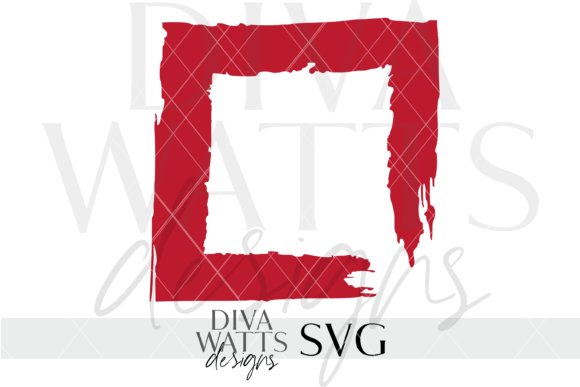
Mastering Rectangle Clipart Design SVG for Modern Creative Projects
In the world of digital design, some of the most powerful tools are also the most fundamental. A rectangle clipart design SVG embodies this principle perfectly. At first glance, it might seem overly simple—just a four-sided shape with right angles. Yet this geometric building block serves as the backbone for countless visual projects, from sleek website layouts to engaging educational materials. Understanding how to source, customize, and deploy rectangle clipart can dramatically streamline your workflow and elevate the quality of your output.
What makes the SVG format particularly valuable for this shape is its scalability and editability. Unlike raster images that pixelate when enlarged, a rectangle clipart design SVG maintains razor-sharp edges at any dimension. This means you can use the same file for a tiny button icon and a large banner background without ever worrying about quality loss. The code-based nature of SVG also allows for deep customization—colors, strokes, opacity, and even animations can be adjusted with precision.
Why Designers Rely on Simple Geometric Shapes
Clean geometry forms the visual foundation of effective communication. Rectangles, with their inherent stability and order, convey a sense of reliability and structure. When you use a rectangle clipart design SVG in your project, you tap into these subconscious associations. The shape frames content, directs attention, and creates breathing room in crowded layouts. For corporate branding, this translates to logos and assets that feel trustworthy and established. For educators, it provides clear containers for text and diagrams that help learners organize information.
The challenge many designers face is finding shapes that are truly versatile without being generic. A poorly crafted rectangle clipart might have uneven borders, locked proportions, or compatibility issues across different software. High-quality SVG solutions address these pain points by offering clean code, flexible parameters, and consistent rendering whether opened in Adobe Illustrator, Figma, Inkscape, or embedded directly into a webpage.
Identifying Common Design Challenges Rectangle Clipart Solves
Every creative professional encounters friction points in their workflow. Here are several situations where a rectangle clipart design SVG becomes the practical answer:
- Inconsistent layout frameworks: When building wireframes or mockups, placeholder rectangles help establish visual hierarchy before content is finalized. SVG versions adapt perfectly to responsive grid systems.
- Time-consuming asset creation: Drawing basic shapes from scratch for every project wastes valuable hours. Ready-to-use clipart accelerates the process without sacrificing quality.
- Scaling issues across devices: Designs must look crisp on everything from smartwatches to billboards. Vector-based rectangles eliminate resolution concerns entirely.
- Brand color matching difficulties: Many SVG rectangle files allow direct code editing of fill and stroke attributes, making it simple to apply exact hex values for brand consistency.
- Background and framing needs: Whether creating a subtle backdrop for text or a bold border around an image, rectangles provide instant structure.
By addressing these challenges head-on, designers can focus more energy on creative problem-solving rather than repetitive technical tasks. The rectangle becomes not just a shape, but a time-saving ally in the production process.
Practical Applications Across Different Design Fields
The versatility of a rectangle clipart design SVG shines when examining real-world use cases. Different professionals approach the same basic shape with unique goals and strategies.
Web and UI Design
Interface designers depend on rectangles for buttons, cards, navigation bars, and modal windows. An SVG rectangle can serve as a reusable component that maintains visual consistency throughout an application. By defining stroke widths, corner radius values, and fill colors in the SVG code, developers can implement design systems that are both beautiful and performant. Hover effects and transitions become straightforward when the base shape is clean and well-structured.
Print and Marketing Materials
Brochures, flyers, and business cards benefit from geometric precision. A rectangle clipart design SVG imported into layout software provides a crisp container for promotional text or a stylish border element. Because the format supports CMYK color profiles indirectly through software interpretation, print designers can achieve accurate color reproduction. The ability to scale without degradation ensures the same file works for a small loyalty card and a large trade show banner.
Educational Resources and Infographics
Teachers and instructional designers use rectangles to create worksheets, flashcards, and visual aids. A series of rectangle clipart elements can form charts, timelines, and comparison tables that help students grasp complex concepts. The simplicity of the shape reduces cognitive load, allowing the educational content to take center stage. SVG files also tend to have small file sizes, making them ideal for digital learning platforms where loading speed matters.
Logo and Brand Identity Development
Many iconic logos incorporate rectangles as core elements. From wordmarks enclosed in rectangular bounding shapes to abstract marks built from rotated or overlapping blocks, the rectangle offers endless possibilities. Starting with a rectangle clipart design SVG gives brand designers a solid foundation to modify, combine, and refine until a unique identity emerges. The vector format ensures the final logo works across all applications, from website headers to embroidered merchandise.
Customization Techniques to Maximize Impact
Owning a quality rectangle clipart file is just the beginning. The real magic happens during customization. Here are practical ways to adapt a rectangle clipart design SVG for specific project needs:
- Adjust corner radii: Slightly rounded corners soften the shape for friendly, approachable designs, while sharp ninety-degree angles maintain a formal, precise look.
- Apply gradients and patterns: SVG supports complex fills that go beyond flat colors. A rectangle can feature a subtle gradient that adds depth to a website hero section or a repeating pattern for decorative backgrounds.
- Layer multiple rectangles: Stacking shapes with varying opacities and sizes creates sophisticated frames, shadow effects, and dimensional illusions without relying on heavy image files.
- Add stroke variations: Dashed, dotted, or thick strokes transform a basic rectangle into a coupon border, a focus indicator for accessibility, or a decorative divider.
- Mask with images: Use a rectangle as a clipping mask to crop photographs into clean, uniform shapes for galleries and portfolios.
These techniques require no advanced coding knowledge. Many vector editing programs offer intuitive visual interfaces for making these adjustments, while keeping the underlying SVG structure intact and lightweight.
Choosing the Right Rectangle Clipart for Your Project
Not all rectangle clipart is created equal. When selecting a rectangle clipart design SVG for your toolkit, evaluate several factors to ensure it meets your needs. Look for files with clean, human-readable code if you plan to edit manually. Check that the viewBox attribute is properly set for predictable scaling. Consider whether the file includes unnecessary metadata or embedded raster images that bloat the file size. The best SVG rectangles are lean, well-organized, and compatible across all major browsers and design applications.
Licensing also matters. Many free resources exist, but verify that the usage terms align with your intended purpose—especially for commercial projects. Some clipart is released under public domain or Creative Commons licenses that require attribution. Others are available through premium subscriptions with full commercial rights. Investing in a reliable source saves legal headaches and often guarantees higher design quality.
Integrating Rectangle Clipart into Efficient Workflows
Adopting a systematic approach to using rectangle clipart design SVG assets can dramatically improve productivity. Consider building a personal library of frequently used shapes organized by style, proportion, and complexity. Tag files with descriptive keywords so they surface quickly when needed. For team environments, shared asset libraries ensure everyone uses the same foundational elements, maintaining brand consistency across departments and projects.
Automation offers another layer of efficiency. Many design tools allow you to create symbols or components from base rectangles that update universally when the original is modified. This means changing a brand's secondary color across hundreds of layouts with a single edit. Developers can reference the same SVG rectangle file in multiple codebases, simplifying maintenance and reducing the risk of outdated assets lingering in production.
Aesthetic Considerations for Professional Results
While function drives many decisions, aesthetics should never be an afterthought. A rectangle clipart design SVG might be simple, but subtle refinements elevate it from generic to polished. Pay attention to proportional relationships—a rectangle with a 16:9 ratio feels cinematic, while a 1:1 square conveys balance and stability. The golden ratio can inform dimensions for particularly harmonious layouts.
Color psychology also plays a role. Warm-toned rectangles feel energetic and inviting, suitable for call-to-action buttons and sale banners. Cool tones suggest calm and professionalism, ideal for corporate backgrounds and informational panels. Neutrals provide flexibility, allowing the rectangle to recede and let other elements dominate. Because SVG allows precise color control, experimenting with different palettes requires minimal effort.
Accessibility and Usability Benefits
Responsible design considers all users. SVG rectangles contribute to accessibility when implemented thoughtfully. High-contrast borders help users with visual impairments distinguish interactive elements from decorative ones. Semantic SVG markup can include title and description tags that assistive technologies read aloud. Keeping shapes simple and predictable aids cognitive accessibility, making interfaces easier to navigate for people with learning disabilities or attention challenges.
Performance is another accessibility dimension. Large image files slow down websites, disproportionately affecting users on slower connections or older devices. A lightweight rectangle clipart design SVG renders quickly and consumes minimal bandwidth, contributing to a faster, more inclusive web experience.
Future-Proofing Your Design Assets
Design trends evolve, but geometric fundamentals endure. Investing time in mastering rectangle clipart pays long-term dividends because the shape never goes out of style. SVG as a format continues to gain support and capabilities, with advancements in animation, interactivity, and responsive design. By building your skills and asset library now, you position yourself to take advantage of these developments as they mature.
Consider how emerging technologies like augmented reality and variable fonts intersect with basic shapes. A rectangle clipart design SVG could serve as a container for dynamic content in AR interfaces or as a background element that responds to user gestures. The forward compatibility of open standards ensures your assets remain useful as technology landscapes shift.
Making the Most of Rectangle Clipart in Daily Practice
Ultimately, the value of any design resource lies in consistent, thoughtful application. Start each project by assessing where structural elements like rectangles can add clarity and cohesion. Use them intentionally to guide viewer attention, separate content zones, and reinforce brand identity. Avoid overcomplicating compositions when a clean rectangle would serve the purpose more effectively.
Experiment with combining multiple rectangle clipart design SVG files to create unique patterns and layouts. Rotate, overlap, and vary sizes to discover unexpected visual relationships. The more comfortable you become with this foundational shape, the more naturally creative solutions will emerge. What begins as a simple geometric form becomes a versatile instrument for visual communication, ready to adapt to whatever challenge comes next.