HighSpeedTrainSilhouette 🚄: Elegance in Motion
In a world saturated with photographs and complex illustrations, the silhouette remains a remarkably effective visual tool. A single, bold shape can convey an entire concept without a single word, stripping away distraction and focusing attention on form and meaning. Whether it’s the sleek profile of a high-speed train cutting through space or the unmistakable outline of a combine harvester in a field, these simplified forms carry emotional weight and immediate recognition. This article explores how a HighSpeedTrainSilhouette 🚄 and agricultural machinery silhouettes can be leveraged across diverse projects—from safety manuals and tourism ads to corporate branding—and why they often outperform more detailed imagery in terms of clarity and impact.
The Undeniable Pull of a HighSpeedTrainSilhouette 🚄
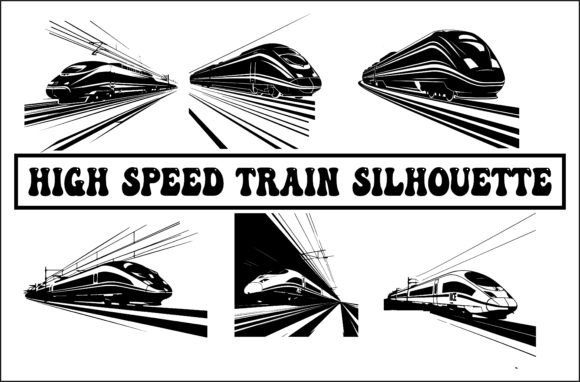
The HighSpeedTrainSilhouette 🚄 isn’t just a shape; it’s a symbol of progress, velocity, and connection. When you see that long, aerodynamic nose and streamlined body, you instantly think of efficient travel, cutting-edge engineering, and the romance of rail. This makes it a powerful asset for any communication piece that needs to suggest speed, modernity, or mass transit. Train operators might use it in internal presentations to highlight route expansions, while a logistics startup could feature a HighSpeedTrainSilhouette 🚄 on their website to underscore rapid delivery capabilities. Even a blogger writing about sustainable transport can add a small silhouetted rail icon next to their post title to attract the right audience.
What makes the train silhouette particularly versatile is its ability to scale—from a tiny app icon to a massive wall decal—without losing meaning. Unlike a detailed photo, which might look cluttered or outdated when trends change, a clean silhouette remains timeless. Designers often pair it with bold typography and bright accent colors to create an energetic, forward-looking aesthetic. The HighSpeedTrainSilhouette 🚄 also bridges the gap between technical and artistic, fitting naturally into infographics, corporate reports, and decorative art alike.
Bringing Clarity to Farm Safety Guides and Machinery Manuals
Safety literature often struggles to hold attention. Dense paragraphs of warnings and technical diagrams overwhelm the reader, especially farmers who need to absorb critical information quickly between long working hours. This is where the silhouette of a combine harvester, tractor, or baler shines. By using a combine harvester silhouette to illustrate safe operation procedures, you create a universal visual language that transcends literacy levels and language barriers. A silhouette showing the correct stance near moving parts is instantly understood, even by workers with limited reading skills, reducing the risk of accidents.
Agricultural safety guides become far more effective when they blend concise text with heavy equipment silhouettes. For example, a manual might depict a red silhouette of a person next to a moving part to indicate danger zones, or a green silhouette of a properly shielded component to show correct maintenance. Designers can integrate these shapes into checklists, warning stickers, and even interactive training displays. The result is a safety resource that feels less like a bureaucratic document and more like a practical, field-ready reference. Farm equipment manufacturers who adopt this style often see better compliance and fewer incidents, because the visuals don't fade into the background—they demand attention in the clearest possible way.
Fueling Agricultural Tourism with Evocative Imagery
Agritourism—farm tours, harvest festivals, pick-your-own operations—thrives on the charm of rural life. But attracting urban visitors requires visuals that feel both authentic and inviting. Photographs can be unpredictably messy, with cloudy skies, mud, or unflattering angles. A well-chosen silhouette, however, can romanticize the experience without being dishonest. A poster for a seasonal corn maze might use a combine harvester silhouette at sunset, paired with warm oranges and golds, to evoke nostalgia and excitement. Digital ads could feature a row of silhouetted farm machines against a glowing sky, accompanied by a simple call-to-action.
Brochures for machinery demonstrations benefit immensely from this technique. Instead of showing a specific brand’s equipment—which dates quickly and may be too promotional—a generic silhouette of a modern harvester allows organizers to reuse the design year after year while keeping the focus on the activity rather than the product. Farm stays can use similar visuals on their websites: silhouettes of barns, tractors, and livestock set against rolling hills immediately signal “rural escape” without a single word. In all these cases, the silhouette works as a psychological shortcut, helping potential visitors imagine themselves in the scene.
Amplifying Graphic Design, Branding, and Digital Platforms
The power of silhouettes extends well beyond agriculture and rail. Designers rely on them across mediums because they reduce visual noise and create a strong brand association. A logo featuring a HighSpeedTrainSilhouette 🚄 instantly communicates efficiency and modern transport, while a combine harvester silhouette in an ag-tech logo signals innovation rooted in tradition. In web design, header images or hero sections often use silhouettes to set a mood without distracting from the text. A blog about harvesting technology can use a row of silhouetted machinery as an article divider, reinforcing the theme while keeping load times fast.
Educational content creators favor silhouettes in infographics. A step-by-step visual of crop harvesting might employ simple black shapes of a ripper, a planter, and a harvester to show progression, avoiding cluttered photos. Print media like posters and banners for farm machinery sales achieve a bold, professional look by layering a giant tractor silhouette behind event details. Even decorative wall art for a rustic-themed café or a farm office can incorporate these shapes on canvas or metal, blending industry pride with aesthetic appeal. The following list shows how different silhouette types serve distinct functions:
- HighSpeedTrainSilhouette 🚄 – Ideal for travel blogs, railway innovation reports, and logistics branding; evokes speed, punctuality, and sleekness.
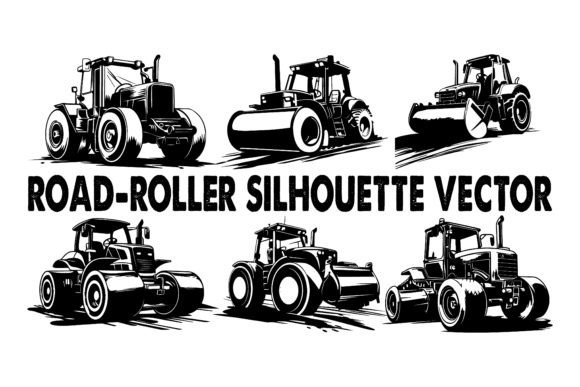
- Combine harvester silhouette – Perfect for safety guides, agricultural software icons, and trade show banners; communicates power, harvesting, and agrarian economy.
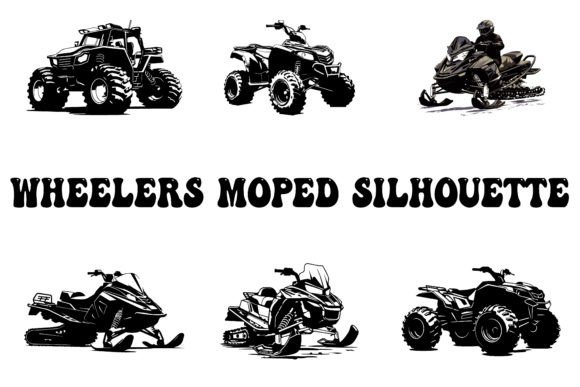
- Generic farm equipment silhouettes – Versatile for agritourism brochures, farm-to-table restaurant branding, and educational posters; tool-agnostic and warm.
Who Stands to Benefit Most—and Why
A wide range of professionals can extract value from silhouette-based design once they recognize its strengths. Small business owners in rural communities often lack the budget for custom photography shoots or frequent rebranding. A one-time investment in a high-quality vector silhouette pack allows them to create consistent, appealing ads for social media, printed flyers, and local signage, all at minimal cost. Agricultural educators and extension agents find that community workshops become more engaging when complex machinery operations are broken down into clear, shaded shapes that anyone can follow.
Meanwhile, marketers and content creators in the travel sector can take a HighSpeedTrainSilhouette 🚄 and deploy it across YouTube thumbnails, email newsletters, and Instagram stories to build a cohesive brand identity around train travel or speedy commutes. Graphic designers working on corporate reports for machinery manufacturers appreciate that a well-placed silhouette on the cover adds gravitas without competing with the text. Even hobbyists and DIY enthusiasts enjoy using these shapes for vinyl decals on laptops or laser-cut metal signs in their workshops. The common thread is that each group gains clarity, saves time, and communicates more effectively by leaning on a visual shorthand that audiences instantly understand.
Understanding the Limits and Making Smart Choices
As powerful as silhouettes can be, they aren’t a universal solution. A silhouette removes interior details, which means some viewers might misinterpret a generic shape if context isn’t provided. For instance, a combine harvester silhouette used too abstractly could be mistaken for construction equipment. To avoid this, pair silhouettes with a few words of text or position them among complementary elements like crop rows or a sunset backdrop. Additionally, in situations where you need to highlight safety features—say, the exact location of an emergency stop button or a specific latch—a silhouette alone won’t suffice. It should supplement, not replace, detailed technical diagrams or high-resolution photos in critical manuals.
Style fatigue is another factor. Because silhouettes are so widely used, a poorly chosen design can feel generic or outdated. A HighSpeedTrainSilhouette 🚄 meant for a modern high-speed rail campaign should reflect contemporary train shapes, not a steam locomotive from the 1800s, unless you’re intentionally going retro. Test visuals with a sample audience to confirm they evoke the right emotion. Fortunately, modern vector marketplaces offer countless variations, so you can select the exact level of detail and the exact equipment profile that matches your intent. Investing a little time upfront to pick the right silhouette prevents miscommunication and elevates your final output.
Bridging the Gap Between Information and Emotion
At its core, the silhouette is a storytelling tool. A HighSpeedTrainSilhouette 🚄 on a business card doesn’t just show a mode of transport; it whispers of connectivity, speed, and a forward-looking mindset. Similarly, a row of combine harvester silhouettes in a safety manual doesn’t merely depict machinery—it signals care, professionalism, and a commitment to worker well-being. When used thoughtfully, these simple black shapes replace pages of explanation with immediate understanding, making them indispensable for anyone who needs to capture attention in a glance.
By blending the dynamic energy of rail with the grounded practicality of agriculture, professionals can create visual systems that feel both modern and timeless. Whether you’re producing the next agritourism campaign, refining an equipment operator’s handbook, or simply looking for a way to make your blog about rail transport pop, silhouettes offer a low-cost, high-impact solution that works across print and digital. They invite the viewer to fill in the blanks with their own imagination, creating a level of engagement that fully detailed images often fail to achieve.