Electric Power 🔌 and Urban Lifestyle 🏙️: A Designer’s Guide to Vector Silhouette Assets
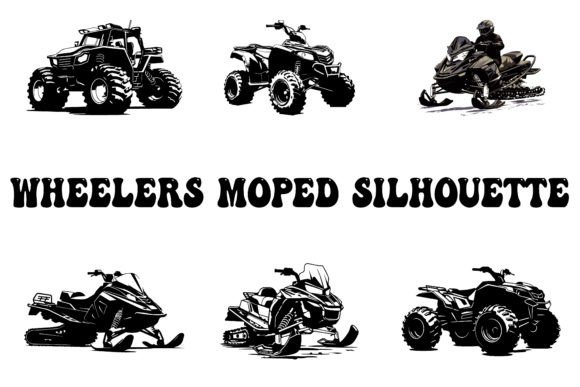
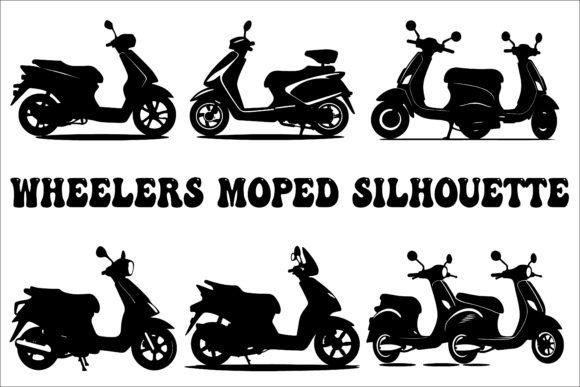
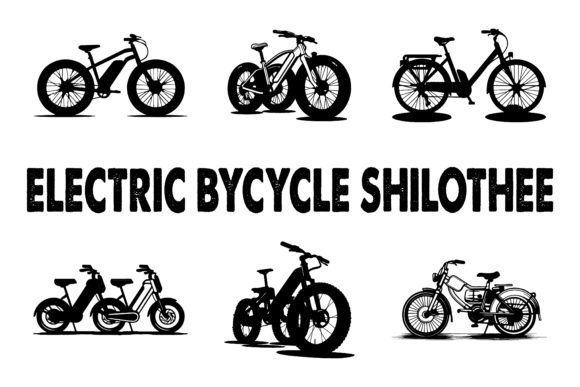
The shift toward electric mobility is no longer a niche conversation—it is a visible, everyday reality in modern cities. For creatives, marketers, and educators, communicating this transition often starts with a single, striking visual. A black vector silhouette of an electric bike, all-terrain vehicle (ATV), or e-scooter can instantly convey themes of urban transportation, eco-friendliness, and dynamic city living. When you download a package that includes editable EPS files, transparent PNGs, and high-resolution JPG images, you gain a versatile toolkit that fits directly into a busy creative workflow. This guide walks through the practical process of using such electric power and urban lifestyle silhouette assets—from initial download to final delivery—without guesswork or wasted time.
What You Actually Receive and Why It Matters
Before integrating any graphic into a project, it is essential to understand the file formats at hand. The download package described here delivers three specific types:
- All EPS editable files as a single collection. These are vector-based, meaning you can scale them infinitely, change colors, adjust anchor points, and break apart shapes inside software like Adobe Illustrator, CorelDRAW, or Affinity Designer. The single-file approach helps with organization—no hunting through multiple folders for the right asset.
- All transparent PNG files. These raster images retain a clean background, making them ready for immediate layering in Photoshop, Canva, or even slide decks. The transparency eliminates extra masking steps, saving you minutes per design.
- High-resolution single JPG images. Ideal for printing or web use where transparency is not needed, these files are already optimized for good visual fidelity without heavy file sizes. Great for quick placements or sharing with non-design team members.
Having all three formats in one place gives you flexibility. A website banner might call for the crispness of an SVG-like EPS, a social media post might favor a ready-to-use PNG, and a print flyer could rely on a JPG without worrying about software compatibility. This mix mirrors real-world design demands: different platforms, different output requirements.
Where Electric Power Silhouettes Fit Into Your Workflow
Urban lifestyle imagery featuring electric vehicles—bikes, ATVs, scooters—serves as a visual shorthand for sustainability, forward-thinking mobility, and active city living. These black vectors work across an impressive range of contexts, often right at the point where you need a clean, professional icon or illustration without the distraction of color. Consider these common integration points:
Graphic Design and Print Media
In posters, flyers, or brochures, an electric bike silhouette can break up text-heavy layouts or reinforce a theme without overpowering other elements. Because EPS files are editable, you can exactly match the silhouette to your brand palette by applying a single fill color. For multi-page documents, maintain visual rhythm by reusing the same outline style in different sizes—this is where vector scalability shines.
Web and Digital Presence
Modern websites lean on iconography to guide user attention. A cycling icon or e-bike silhouette can denote a company’s values, a section on sustainability, or even a product category. Transparent PNGs slide right into WordPress blocks, Shopify product pages, or Elementor templates. Another subtle but effective trick: use these silhouettes as section dividers or background accents with reduced opacity. The black vector ensures it stays readable on light backgrounds without further edits.
Merchandise and Branded Products
A silhouette of an electric ATV or bicycle doesn’t need elaboration—it’s universally understood. That clarity makes it great for T-shirts, mugs, stickers, and hats. Print-on-demand services often want high-contrast single-color artwork. Start with the EPS file, ensure strokes are clean, and export at the exact size required by the printer. This eliminates the back-and-forth of file rejection due to resolution issues, a common pain point for small business owners handling their own merch.
Advertising Campaigns and Social Media
For online ads, social posts, or even billboard designs, the ability to scale a visual without loss means you can reuse the same icon from a thumbnail-sized Instagram story up to a large-format print. Consistency across campaign assets becomes automatic when you start from the same vector file. Marketers often use the transparent PNG version to quickly mock up ad concepts in Figma or Canva before involving a senior designer for final polish.
Education, Diagrams, and Stationery
Infographics explaining urban mobility trends, textbook diagrams illustrating electric vehicle parts, or even business cards for a cycling startup benefit from minimalist silhouettes. The black vector style removes cultural or demographic noise, leaving only the message. In a PowerPoint or Keynote deck, importing a PNG with transparency keeps slides clean—no white boxes around your icons. For stationery, like letterheads or notebook covers, the JPG can sit comfortably inside standard templates with little setup.
Practical Tips for Seamless Integration
Having the files is step one; using them without friction is what makes a resource genuinely useful. Here’s how to fold these electric vehicle silhouettes into your routine with minimal disruption.
Start with a Clear Project Folder Structure
After unzipping your download, create a master folder named something like Electric_Urban_Vectors. Inside, keep three subfolders: EPS_Vectors, PNG_Transparent, and JPG_HighRes. This simple organization prevents the dreaded “where’s the editable file?” scramble later. If you work across multiple devices, store the folder on a cloud drive so colleagues or collaborators can access the same assets.
Plan Color Adjustments Early
The black silhouette is a starting point, not a limitation. Open the EPS in a vector editor, select the path, and change the fill to anything your brand requires—deep green for an eco startup, electric blue for a mobility app. If you plan to use the graphic across dozens of touchpoints, create a small library of color variants and export them as new PNGs. This one-time effort saves repetitive tweaking for every new deliverable.
Respect Transparency and Format Needs
PNG transparency is precious, but it also means a larger file size. For web performance, consider converting some simpler icons to WebP or SVG (from the EPS) if you manage your own site. However, when handing assets off to a client or non-technical team, the provided PNGs are often the safest middle ground—they “just work” in almost any program. Reserve JPGs for quick internal mockups or documents where file size matters more than perfect edges.
Maintaining Visual Consistency Across Multiple Uses
A single electric bike silhouette can show up in a brochure, a website footer, an email signature, and a t-shirt design. That’s a win for brand recognition, but only if the graphic remains consistent. Version control becomes important. When you customize the EPS, save it with a clear naming convention, such as EBIKE_green_CMYK.eps for print. If you need to share assets with a team, consider keeping a “source of truth” folder that is read-only for everyone except the lead designer. This avoids accidental stretching, color shifts, or pixelation that can creep in when people resize raster files improperly.
For long-term usage, document the hex codes, stroke weights, or any particular styling you applied. A simple brand guidelines page (even a one-pager) referencing the original download and how it should be applied saves hours of re-explanation. Freelancers who hand off projects to clients will find this especially valuable—clients often reuse assets in unpredictable ways, and a small style note prevents the icon from mutating into unrecognizable forms.
When to Choose Vector vs. Raster for Urban Lifestyle Graphics
Understanding when to reach for the EPS versus the PNG or JPG comes down to the output medium. Vectors (EPS) are non-negotiable for anything headed to print, screen printing, vinyl cutting, or large-scale signage. They are also essential if you anticipate future edits or color changes. Raster PNG files work best for digital compositions where you need a transparent background and know the exact pixel dimensions. A social media post at 1080x1080 pixels, for example, is safe with a PNG. The JPG is your low-maintenance option for internal presentations, quick previews, or sharing concept ideas via email—places where transparency doesn’t matter and you want a small file that opens instantly.
One underappreciated workflow: Use the EPS to create a set of derivative icons at specific sizes. For instance, generate a 512px PNG for your app icon, a 1920px-wide JPEG for a website hero background (with added color fields), and a grayscale EPS variant for print. This batch-processing mindset turns a one-time download into an evergreen resource that evolves with your project.
Long-Term Value and Adaptability
Electric power and urban lifestyle themes are not a passing trend. As cities continue to adopt e-bikes, e-scooters, and electric ATVs, the need for crisp, professional visuals that communicate this shift will only grow. A well-organized collection of black silhouette vectors can serve you for years—new campaigns, refreshed websites, or updated educational materials all circle back to the same core icons.
For marketers and small business owners, this means one less thing to commission repeatedly. For educators and publishers, it means having a reliable visual language for future content without renegotiating licensing. Even hobbyists find that a set of clean transport silhouettes sparks ideas for personal projects, from scrapbooking to community event flyers. The key is to treat the files not as a one-off purchase but as a permanent piece of your creative toolkit. Keep them organized, document your customizations, and they will slot into new workflows with the ease of a well-oiled process.
Ultimately, the download containing editable EPS files, transparent PNGs, and high-resolution JPGs bridges the gap between concept and execution. It places electric power and urban lifestyle imagery directly into the hands of people who need to communicate visually, quickly, and effectively—without the overhead of starting from scratch.