Airship Vector & Blimp Clipart: Getting the Most from Your Graphic Downloads
Buying or downloading an airship vector, blimp clipart, or zeppelin silhouette might seem simple. You spot a striking AirshipVector 📐 or a nostalgic BlimpClipart 🖍️, pay a small fee, and expect perfection. Yet many creatives discover too late that the files don't work as imagined—costing time, money, and causing frustration. Whether you’re a small business owner designing a logo, a teacher building an infographic, or a crafter creating wall art, understanding a few subtle points before you click “download” can make the difference between a smooth workflow and a pixelated mess. This article unpacks what you really get in a quality airship graphic bundle, common pitfalls, and how to avoid them so your projects soar.
What Exactly Are Airship Vector, Blimp Clipart, and Related Graphics?
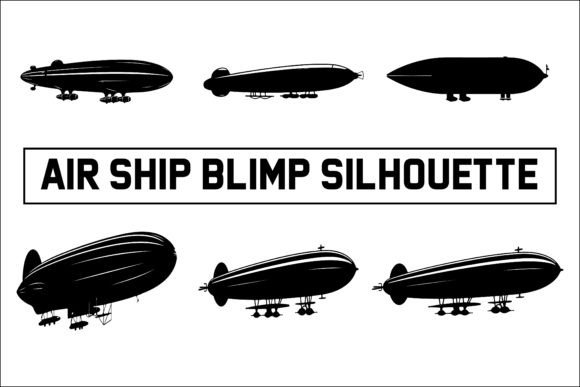
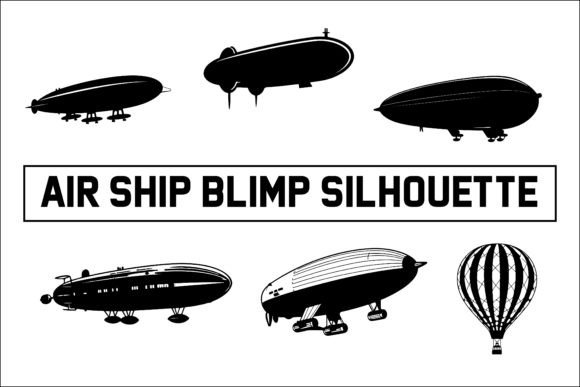
Terms like AirshipVector 📐, BlimpClipart 🖍️, ZeppelinSilhouette 🖋️, and AirshipDrawing ✏️ often get used interchangeably, but they point to slightly different assets. A vector airship graphic (usually in .eps or .ai format) remains crisp at any size, making it ideal for billboards down to business cards. Blimp clipart often refers to simpler, raster-based images like transparent PNGs or JPGs that work well for web icons, social media posts, or quick presentations. The silhouette variations—BlimpOutline ✈️, ZeppelinShadow 🌑, AirshipTemplate 📋—emphasize solid black shapes that serve as striking design elements or craft stencils.
The bundle you see offering “1. All EPS editable files as single, 2. All transparent PNG files, 3. High resolution single JPG images” is typical, yet many buyers overlook the practical differences among those formats. Relying on the JPG for a large print project will disappoint, while editing an EPS demands specific software knowledge. Recognizing these file types upfront prevents “blurry print syndrome” and wasted effort.
Assuming “Vector” Means It’s Ready to Edit in Any Program
A frequent error is opening an .eps file in Photoshop or a free mobile app and expecting full editability. An EPS is indeed an editable vector file, but only inside true vector editors like Adobe Illustrator, CorelDRAW, or Affinity Designer. When you open an EPS in Photoshop, it rasterizes into a pixel layer, stripping away the benefits of infinite scaling. Beginners sometimes blame the file when their software is the culprit. Before downloading, always confirm which program you’ll use to edit the AirshipVector 📐. If you only have Photoshop, a large transparent PNG might actually serve you better for most layouts, though you lose the ability to recolor individual pieces effortlessly.
Better approach: If you plan to modify line thickness, change colors, or combine elements, invest in a vector-capable tool. If that’s not possible, look for bundles that include pre-colored SVG files or well-organized PNGs with transparent backgrounds for a plug-and-play experience.
Confusing High-Resolution JPG with Scalable Quality
Downloading “High resolution all single JPG Image” sounds safe, but JPG is a flat raster format. When you place it in InDesign for a print brochure, it might look fine on screen. But if the client suddenly wants a banner ten times larger, stretching that JPG reveals jagged edges. Good airship bundles provide JPGs at around 300 DPI for standard print sizes, but they are not infinite like vectors. Misunderstanding this leads to embarrassing pixelation on posters, vehicle wraps, or large format displays.
Realistic example: A boutique hotel prints a vintage BlimpImage 🖌️ on canvas 36×24 inches. Using the provided JPG, the edges turn fuzzy. Had they used the EPS version and exported to PDF, the result would remain pin-sharp. When ordering prints, always check with your printer about required file formats and native resolution.
Overlooking Transparent PNG Specifications
The transparent PNG files are often the most immediately useful for digital media, but not all PNGs are created equal. Some packs deliver PNGs with a tiny 800×600 pixel canvas, limiting their placement on larger website hero images or video overlays. A ZeppelinIcon 🗿 meant for a social media post might look fine at 200×200 pixels, but if your app icon needs 1024×1024 for iOS, scaling up a small PNG will cause softness. Check the pixel dimensions of the PNGs before purchase—a quality set provides at least 3000 pixels on the longest side for versatility.
What to do: If the product description doesn’t list dimensions, ask the seller. For crisp icons, look for “pre-rendered at 1024px” or “extra-large PNG included.” Better yet, use the EPS to export your own perfectly sized PNGs for any context.
Ignoring Licensing Nuances for Commercial Use
Many buyers grab a BlimpClipart 🖍️, place it on a T-shirt design, and start selling—only to get a copyright warning later. Standard clipart licenses may restrict print-on-demand merchandise, resale as digital art, or use in logos where trademarking is involved. Read the license terms carefully. Common oversights include using the graphic as a primary logo element without an extended license, or sharing editable EPS files with subcontractors who then reuse them elsewhere. These missteps can affect your brand’s legal standing and cost more than purchasing an expanded commercial license upfront.
Practical fix: Look for phrases like “personal and commercial use,” then dig deeper. If you plan to use an AirshipArt 🖼️ on products you’ll sell more than 500 copies of, or in a corporate brand identity, seek an extended or royalty-free commercial license. When in doubt, contact the creator—clear permission outperforms assuming you’re covered.
Where You Can Apply Silhouette Vectors and Blimp Graphics Effectively
This particular style of graphic—whether called AirshipSilhouette 🛩️, BlimpOutline ✈️, or ZeppelinShadow 🌑—carries a vintage-meets-modern vibe. Its clean, recognizable shape works across dozens of applications, but choosing the right file format for each medium elevates your output.
You can use a black silhouette vector of an airship in varied contexts, similar to how other silhouette vectors function. For graphic design projects like posters and flyers, the EPS lets you scale the ZeppelinDesign 🚀 without losing crispness, and you can easily fill it with gradients or patterns. When designing for web design, such as website icons or section dividers, the transparent PNG files become invaluable because they drop seamlessly onto colored backgrounds without white bounding boxes.
On merchandise—T-shirts, mugs, stickers—screen printers prefer vector files, while direct-to-garment and sublimation methods handle high-res PNGs well. For advertising like online ads and billboards, using the EPS to create a monument-sized print ensures no jagged edges. In digital media—app icons, game graphics, e-book illustrations—the BlimpSketch 🖊️ aesthetic adds whimsy and clarity at small sizes if you start with a clean, well-drawn vector.
Presentations and educational materials benefit from the simplicity of a BlimpArtwork 🖼️ silhouette. Teachers can drop the PNG into PowerPoint slides to explain air travel history without distracting complexity. For stationery—business cards, letterheads—the AirshipTemplate 📋 offers a precise icon that scales to fit slim headers. Even art projects like wall art, scrapbooking, or craft vinyl cutting rely on the unbroken contours of a ZeppelinArt 🎨 outline, which you can import into craft software using the SVG counterpart of an EPS file.
Product packaging designers often turn to AirshipIllustration 📘 graphics because the shape lends a vintage explorer feel to box designs, labels, or wrapping paper. When printing on kraft paper, a single-color silhouette from the JPG or EPS file integrates beautifully with limited ink budgets.
What to Check Before You Buy or Use an Airship Vector Download
Before adding an Airship Vector 📐 or Blimp Clipart 🖍️ to your cart, verify these specifics to avoid the common headaches we’ve discussed:
- File formats actually included: Look beyond the catchy title. Confirm .eps, .ai, .svg, .png, and .jpg versions, plus any bonus patterns or templates.
- Resolution and artboard size: For PNGs, what are the pixel dimensions? At least 3000px wide keeps you safe. For vectors, is the design cleanly built without stray open paths or artifacts?
- Editability: Does the EPS include grouped and layered elements, or is it a single flat shape? If you need to recolor the ZeppelinDesign 🚀, you want easily selectable parts.
- Licensing clarity: Commercial use allowed? Can you alter the graphic? Are print-on-demand sales permitted? Bookmark the license page.
- Style consistency: If you’re matching an existing brand, compare the BlimpOutline ✈️ style—is it too detailed, too simplistic, or exactly the line weight you need?
Smarter Ways to Use Your Airship Graphics for Cohesive Designs
Instead of dropping a single ZeppelinIcon 🗿 onto a blank background and calling it done, think about how to layer it into your project. Place a subtle BlimpPattern 🖋️ in the background of a website header for texture. Pair a dark AirshipSilhouette 🛩️ with a modern sans-serif font for a bold logo mark, and use the transparent PNG variant for your social media profile. Educators might combine the JPG with other historical clipart to build an infographic timeline of aviation. The key is to treat the file not as a standalone art piece, but as a versatile stamp that adapts to the scale, palette, and purpose of your final layout.
When you download a pack that explicitly mentions “All EPS editable files as single” and “High resolution JPG,” you already have the ingredients for professional-grade output. The missteps happen when we rush to use the easiest file without matching it to the job. A PNG works wonders for a digital flyer but fails on a 10-foot trade show backdrop. That’s not the file’s fault—it’s a format mismatch. Slowing down to pick the right source file saves a redesign and preserves the sharpness that makes airship art so appealing.
In the end, your AirshipVector 📐, BlimpClipart 🖍️, or ZeppelinDesign 🚀 purchase can elevate everything from small Etsy stickers to corporate presentations. Pay attention to the unglamorous details—resolution, format, license—and you’ll sidestep the most frequent traps. Then all that’s left is to enjoy the creative flight.